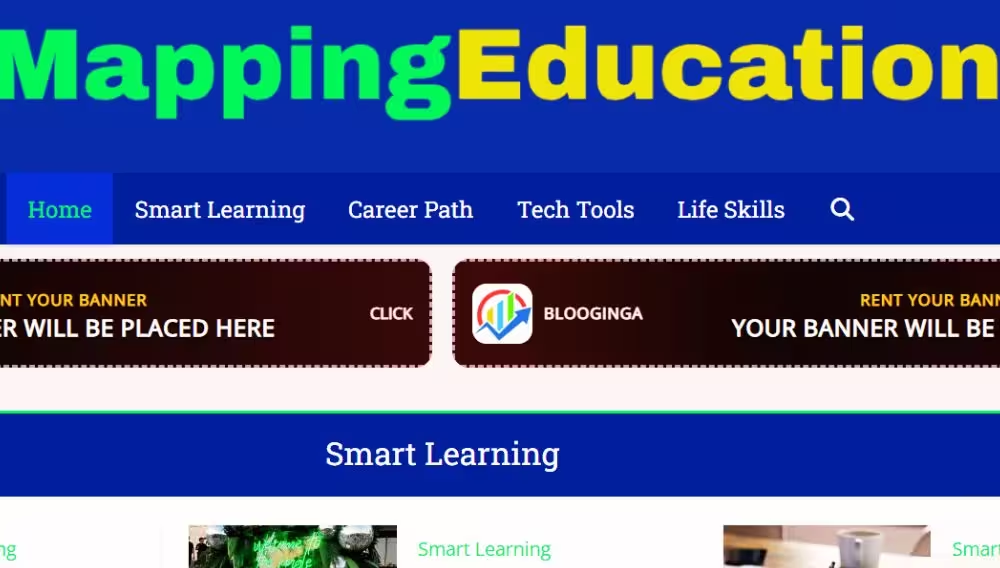
Education is a journey that requires the right tools, direction, and a clear sense of purpose. When we discuss the concept of MappingEducation.com own title, we are looking at a framework designed to help students and educators navigate the complex world of modern learning. Whether you are a student trying to find your path or a professional looking to upgrade your skills, having a map is essential.
Developing a personalized educational strategy involves identifying your strengths and aligning them with the right resources. This is where CENTER-GAGNANT comes into play, offering a hub for those seeking to excel and find winning strategies in their personal and professional growth. By integrating these resources, learners can create a cohesive plan that ensures no milestone is missed.
The Evolution of Digital Learning Platforms
The digital landscape has transformed how we perceive classroom boundaries. No longer confined to four walls, education is now global, instantaneous, and highly customizable. Platforms that focus on “own title” concepts empower users to take ownership of their curriculum. This ownership is the cornerstone of long term retention and practical application of knowledge.
Why Keyword Mapping Matters in Education
In the realm of digital content and educational resources, keyword mapping is the process of assigning relevant search terms to specific pages. For an educational site, this ensures that a student looking for “algebra basics” doesn’t end up on a page about “organic chemistry.”
Strategy for Content Organization
To effectively organize educational content, one must follow a logical hierarchy:
- Primary Topics: Broad subjects like Mathematics, Science, or Literature.
- Secondary Topics: Specific branches such as Geometry or Biology.
- Niche Keywords: Long tail phrases that answer specific student queries.
By using this structured approach, websites can improve their visibility and provide a better user experience.
Enhancing User Engagement Through Structure
When a user visits a site like MappingEducation.com, they expect a seamless flow. Using H2 and H3 tags correctly allows the reader to scan the page and find exactly what they need. This reduces bounce rates and signals to search engines that the content is valuable and well organized.
Building a Roadmap for Academic Excellence
Success in academia is rarely an accident. It is the result of deliberate planning and the use of high quality supplemental materials. When you define your own title in your educational journey, you are essentially setting a personal benchmark for what success looks like to you.
Identifying Key Learning Objectives
Before diving into any course of study, it is vital to define what you hope to achieve. Are you looking for a certificate, a degree, or simply the mastery of a specific skill? Setting these objectives early acts as a compass, keeping you on track when the workload becomes challenging.
Utilizing Online Tools and Communities
The modern learner has an advantage that previous generations did not: the power of community. Online forums, study groups, and resource hubs allow for a collaborative environment. This collective intelligence speeds up the learning process and provides diverse perspectives on difficult subjects.
The Role of Branding in Personal Education
The phrase MappingEducation.com own title also suggests a level of branding. In a competitive job market, your education is your brand. How you present your skills and the specific “titles” you claim for your expertise can determine your career trajectory.
Crafting a Professional Identity
Students should start thinking about their professional identity long before graduation. This involves:
- Curating a portfolio of work.
- Engaging with industry leaders on social media.
- Continuing education through specialized workshops.
The Importance of Continuous Learning
The world is changing at a rapid pace. What is relevant today might be obsolete tomorrow. Embracing a mindset of continuous learning ensures that your “own title” remains relevant. This involves staying curious and being willing to unlearn and relearn as technology evolves.
Technical Aspects of SEO for Educational Sites
For those managing educational platforms, SEO is the bridge between great content and the students who need it. It is not just about keywords; it is about performance, mobile optimization, and authority.
Optimizing for Search Intent
Search intent is the “why” behind a search query. If someone searches for MappingEducation.com, they might be looking for a specific login page, a course list, or general information. High quality content must cater to all these possibilities by being comprehensive and easy to navigate.
The Power of Internal Linking
Internal linking helps search engines understand the relationship between different pages on your site. By linking to relevant articles and resources, you create a web of information that keeps users on your site longer and improves your overall domain authority.
Final Thoughts on Mapping Your Future
In conclusion, taking charge of your education means more than just showing up to class. It means utilizing every resource at your disposal, from specialized websites to community hubs like Centre Gagnant. When you map out your education with a clear title and goal, the path to success becomes much clearer.
Frequently Asked Questions
What is the benefit of keyword mapping? Keyword mapping helps organize website content so that search engines can easily index pages and users can find the most relevant information quickly.
How can I improve my personal educational map? Start by identifying your end goal, then break it down into smaller, manageable steps. Use online resources and stay consistent with your study habits.
Why is mobile optimization important for education sites? Many students access learning materials on the go via smartphones or tablets. A mobile friendly site ensures they have a positive experience regardless of the device they use.
Does MappingEducation.com offer specific courses? While the name suggests a focus on educational structure, users should visit the site directly to see the latest course offerings and curriculum updates.
How often should I update my learning plan? It is a good idea to review your educational map every six months to ensure it still aligns with your career goals and the current job market trends.
Read Also : techpora: What It Is and How It Helps?