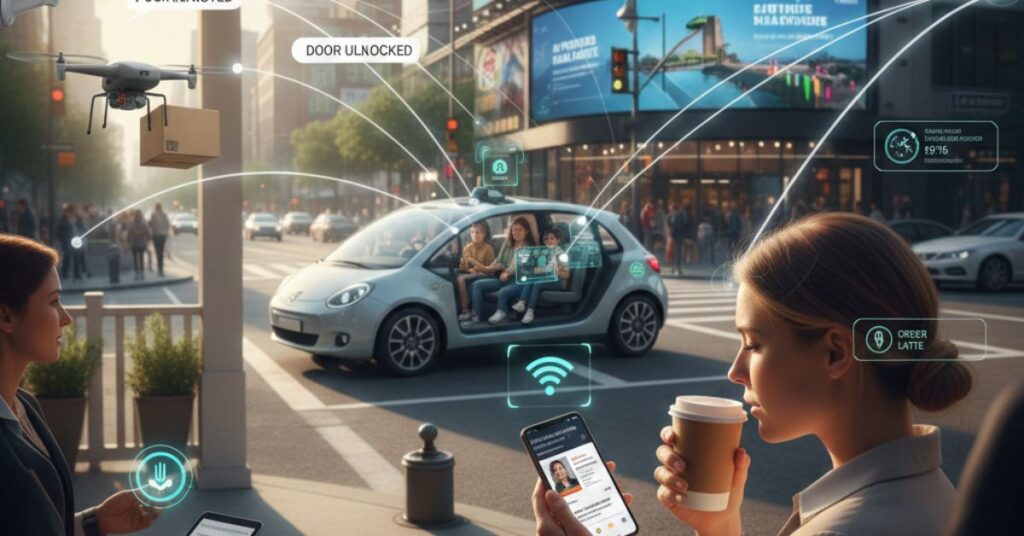
Technology has transformed the way people work in almost every industry. Tasks that once required physical presence or manual effort are now done digitally. From remote work and automation to artificial intelligence and cloud tools, technology continues to reshape workplaces around the world.
These changes affect how people communicate, manage time, and build careers. Let’s explore how technology is changing the way people work and what it means for the future.
Remote Work and Flexible Jobs
One of the biggest changes in modern work is the rise of remote jobs. Technology allows employees to work from home or anywhere with an internet connection.
Remote work is possible because of:
- Video conferencing tools
- Cloud-based file sharing
- Online project management platforms
This flexibility helps people balance work and personal life while allowing companies to hire talent from anywhere.
Digital Communication Tools
Technology has replaced many traditional communication methods. Emails, messaging apps, and video calls are now standard in most workplaces.
Popular digital tools help by:
- Enabling instant communication
- Reducing travel time
- Supporting global teamwork
These tools make collaboration faster, even across different time zones.
Automation and Task Efficiency
Automation is changing how repetitive tasks are handled. Software can now complete tasks that once took hours in just minutes.
Automation is commonly used for:
- Data entry
- Scheduling
- Basic customer support
By reducing manual work, employees can focus on creative and strategic tasks that require human thinking.
Artificial Intelligence in the Workplace
Artificial intelligence plays a growing role in work environments. AI tools assist with decision-making, data analysis, and productivity.
AI helps workplaces by:
- Analyzing large amounts of data
- Improving accuracy
- Providing smart suggestions
Online platforms and communities like le roi gagnant show how AI-driven tools are shaping digital workspaces and modern productivity.
Cloud Technology and File Access
Cloud technology allows people to store and access files online instead of on physical devices. This makes work more flexible and secure.
Cloud systems offer:
- Easy file sharing
- Automatic backups
- Real-time collaboration
Teams can work on the same document at the same time, improving efficiency.
Online Learning and Skill Development
Technology has made learning more accessible. Employees can upgrade their skills through online courses, tutorials, and virtual training programs.
Benefits of online learning include:
- Learning at your own pace
- Access to global knowledge
- Lower training costs
This helps workers stay competitive in a fast-changing job market.
Gig Economy and Freelance Work
Technology has supported the growth of freelance and gig work. Platforms connect workers with short-term projects and flexible jobs.
The gig economy allows:
- More independence
- Flexible schedules
- Multiple income sources
Many people now choose freelance work over traditional full-time jobs.
Workplace Monitoring and Performance Tracking
Technology also helps employers track performance and productivity. Digital tools can monitor progress and deadlines.
Common tracking tools include:
- Time management software
- Performance dashboards
- Analytics reports
While helpful, these tools also raise questions about privacy and work-life balance.
Improved Work-Life Balance
Technology has both positive and negative effects on work-life balance. While remote work offers flexibility, constant connectivity can blur boundaries.
Technology helps balance by:
- Allowing flexible schedules
- Reducing commute time
- Supporting remote collaboration
However, it also requires discipline to avoid burnout.
How Technology Is Shaping the Future of Work
As technology continues to evolve, the workplace will keep changing. New tools will improve efficiency, but workers will need to adapt.
Future work trends include:
- More automation
- Greater use of AI
- Increased remote and hybrid jobs
People who embrace technology and continue learning will benefit the most.
Conclusion
Technology is changing the way people work by making jobs more flexible, efficient, and connected. From remote work and automation to AI and cloud tools, these changes are reshaping careers and workplaces.
Understanding and adapting to these changes helps individuals and businesses succeed in the modern world.
Read Also: Advantages and Disadvantages of Digital Transformation